A strong classroom culture can only develop if you get to know your students first. As educators, many classroom management issues can be mitigated when we understand the individuals in our classrooms: who they are, what motivates them, and how they learn best. To truly foster growth, engagement, and trust, it just makes sense to prioritize opportunities that allow you to get to know your students deeply and meaningfully.
This post will walk you through practical strategies to get to know your students, including important questions, reflective activities, and engaging classroom activities. With an emphasis on get to know you activities and planning for the first day of school, you’ll have everything you need to cultivate a classroom culture where every child feels seen, heard, and supported.

What questions should I ask to get to know my students?
There are a variety of questions you can ask students on the first day of school. Each type of question serves a different purpose, whether it be to evaluate academic concerns or get to know your students on a personal level.
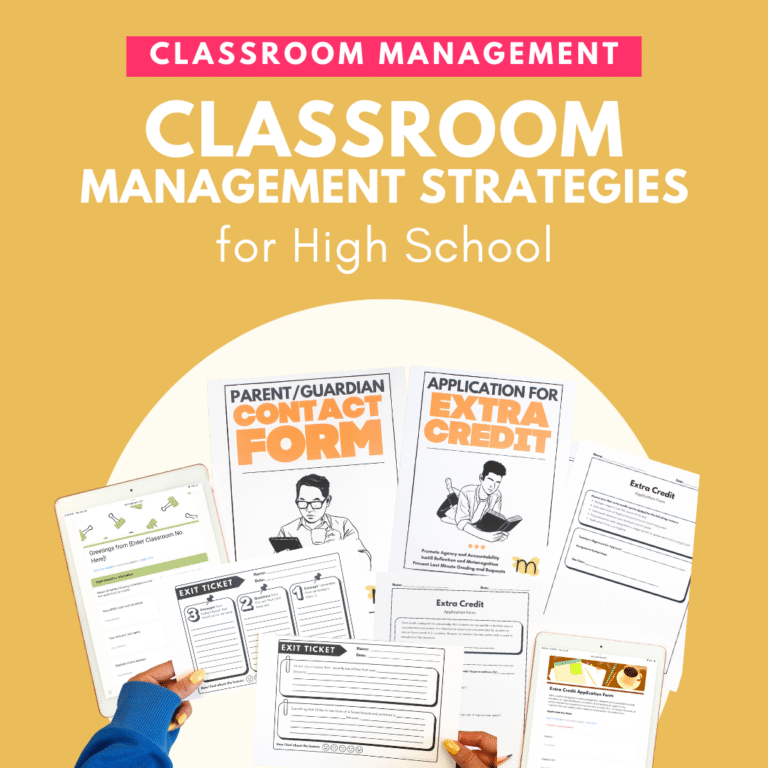
I recommend five different categories for your student information sheet. These categories include students’ identities, families, academics and learning, extracurricular interests and responsibilities, and social-emotional learning question prompts. Each area contributes to a fuller understanding of your students and helps build an inclusive and responsive classroom environment.
When asking about student identity, it’s helpful to go beyond the basics. In addition to name and ID number, invite students to share preferred names and pronouns. This not only supports respectful communication but also signals to 2SLGBTQIA+ students that your classroom is a safe space. Asking about the languages students speak at home can also help you identify English Language Learners and potential peer supports for collaborative work.
Incorporating questions about students’ families can also provide valuable context. Asking who students live with may reveal connections with siblings you’ve taught before. Learning about the home languages spoken by parents or guardians also helps in preparing for family communication and identifying potential language barriers. These insights are especially important in establishing early relationships with families that support student behavior and success.
Academic and learning questions are essential for understanding student mindsets. Subject-specific questions like “Do you enjoy reading?” or “What kinds of books do you read outside of class?” are helpful for English teachers. You might also ask about students’ strengths, challenges, long-term goals, and post-secondary plans. These questions shape your understanding of how to tailor instruction and support.
Understanding students’ extracurricular activities and responsibilities allows you to see the broader context of their lives. Some students may work part-time jobs or shoulder caregiving responsibilities at home. Acknowledging these realities shows empathy and can guide how you manage expectations and provide support.
Finally, social-emotional learning questions can reveal students’ self-awareness and interpersonal skills. Ask about past school challenges they’ve overcome to highlight resilience. Questions about conflict resolution and stress management help identify areas for growth and shape SEL instruction in your classroom. These prompts allow students to share their internal experiences and equip you to support their holistic development.
A thoughtful blend of these question types, whether embedded in a student information sheet or shared through reflective activities, enables you to truly get to know your students in meaningful and enduring ways.

How to get to know your students on the first day
First impressions matter: the first day of school really does set the tone for your school year! To truly get to know your students on the first day, plan for a mix of interaction, reflection, and fun.
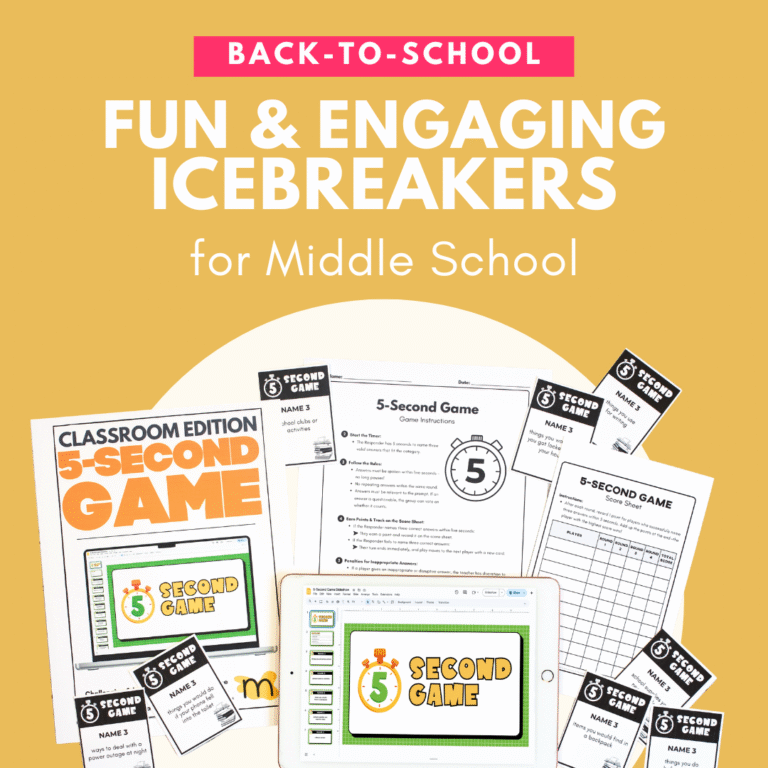
To get to know our students, it can help to first introduce ourselves. This not only breaks the ice but also opens the door to finding common ground. A classic game like Two Truths and a Lie allows students to get to know you in a playful way while revealing something meaningful.
Structured reflection is another key ingredient in the mix. Activities like this viral “Speed Meeting” Icebreaker Questions Card Deck provide a ton of engaging prompts to lead individual reflection, small group conversations, or rotating stations. These questions are perfect for older students and foster connection without putting them on the spot.
Another great way to get to know your students is through their writing. A Future Writing Activity allows students to express their hopes and set goals for the school year. Through written reflections, vision boards, and goal setting timelines, this writing activity will shed light on students’ values, motivation, and focus.
To go deeper into your students’ core motivations, you can also have them discover their enneagram type. The Enneagram Personality Test will determine your students’ individual tendencies, communication styles, and learning preferences. These can provide insight for individual learning profiles and help you to better understand your students. Displaying enneagram type posters in your classroom can also help cultivate empathy, inclusivity, and compassion among students.

Why prioritizing “get to know you activities” matters
- Builds academic engagement: Students who feel seen participate more actively and take greater academic risks
- Enhances classroom community: Shared stories create empathy, collaboration, and respect
- Informs instruction: Insights about learning preferences allow for tailored lessons and meaningful differentiation
- Supports SEL: By honoring students’ experiences and identities, you foster emotional resilience
- Strengthens relationships: Trust and rapport reduce behavioral issues and promote motivation
Activities like surveys, icebreaker games, goal-setting reflections, and personality profiles may seem simple. But they collectively cultivate a classroom rooted in care, connection, and mutual respect.

Tying it all together: How to get to know your students on the first day
So many great things are possible if you get to know your students on the first day. It fosters a supportive classroom where both relationships and learning thrive. This is why time spent getting to know your students is never time wasted! All of the games, icebreakers, surveys, and goal-setting activities featured in this blog post are included in this Back to School Bundle for Secondary Classrooms. To see the other strategies and tools included, click here.